" We conduct research on gene–nutrition interactions to build proprietary evidence unique to Theragen Health. "
Q1
Please introduce yourself.
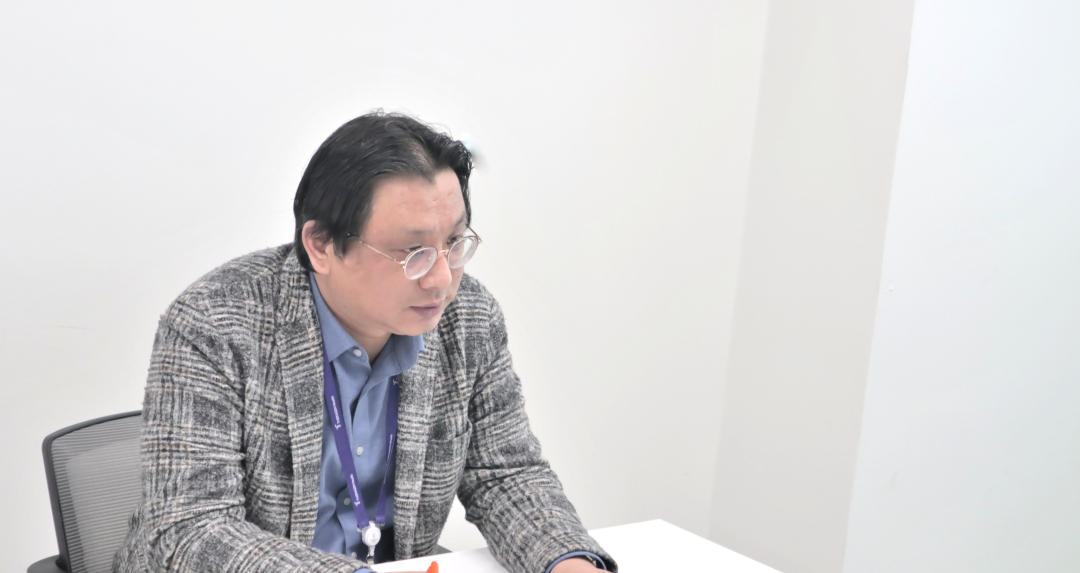
Hello, I’m Kyungwon Hong, Director of the Advanced Technology Research Institute at Theragen Health (Ph.D. in Genetics).
I lead the institute while conducting a wide range of studies, primarily focused on GWAS.
Q2
What are your main responsibilities?
Our research activities can be broadly divided into three areas.
First, we study the interaction between genetic variations and lifestyle factors such as diet and exercise.
We focus on major chronic diseases, including obesity, diabetes, hypertension, and hyperlipidemia.
These studies serve as key evidence for developing personalized nutrition recommendations based on genetic test results.
Second, we conduct research in artificial intelligence, particularly applying machine learning techniques.
One of our key goals this year is to significantly enhance our ancestry analysis service.
Through this work, we aim to internalize machine learning capabilities and generate new research based on our proprietary big data.
Third, we work on improving the predictive accuracy of genetic testing using various PRS (Polygenic Risk Score) algorithms.
We continuously test and refine these models to identify the most suitable approach for Theragen Health’s services.
In addition, as an advanced research institute, we review emerging technologies and develop internal knowledge-sharing content.
Recently, we have been actively exploring applications of generative AI in our services and compiling insights into educational materials.
Q3
What does a typical day look like for you?
In the morning, I review emails related to collaborative research with clinicians and professors.
I also work on publishing genetic-related columns, which are intended to be used as educational content.
Throughout the day, I monitor internal projects, review analysis methods, and validate data.
In the afternoon, I focus on research, particularly reviewing AI-related papers and global patents to stay updated on trends in healthcare AI.
I also participate in internal and external meetings, especially collaborative research discussions with medical professionals, often concluding my day.
Q4
When do you feel most rewarded in your work?
One of the most memorable moments was launching our new service, “Genestart.”
We competed with many companies and demonstrated our technological strengths through research-based evidence.
Seeing our efforts lead to successful outcomes was highly rewarding.
Q5
What is the most attractive part of your role?
Although the bio field is broad, genetics is one of the most versatile areas.
Almost any topic can be connected to a service, which allows for endless research opportunities.
Additionally, unlike many research roles that can feel distant from real-world applications,
my role allows direct interaction with services and users, which is particularly rewarding.
Q6
How would you describe the work environment at Theragen Health?
Having been with the company for a long time, I’ve seen its growth firsthand.
We have built strong expertise and continue to raise our standards.
The company has a relatively young workforce, which contributes to a bright and positive atmosphere.
At the same time, maintaining our professional expertise requires a proactive attitude toward learning and continuous improvement.
While different teams have different roles, communication and mutual understanding are strong,
and there is also a healthy sense of competition.
Q7
How are you preparing for your career growth?
At this stage, I see my career as a long marathon rather than a sprint.
As the head of the research institute, I focus on leading the team and contributing to the company’s growth.
Staying committed to my current role is, in itself, a form of career development.
Q8
Any advice for those preparing for a similar role?
Many aspiring researchers focus on experiments or pursue graduate studies.
From my experience, research environments often have an apprenticeship-like culture.
Even with a Ph.D. and strong academic achievements, joining a company is a new beginning.
A humble attitude and willingness to learn are essential.
Rather than thinking, “I will apply what I know,” it’s more valuable to think, “There may be more to learn.”
Research is a continuous process of discovery, but with persistence and belief, meaningful results will follow.
Building your competitiveness through diverse research experiences will be a significant advantage.








Q1
Please introduce yourself.
Hello, I’m Kyungwon Hong, Director of the Advanced Technology Research Institute at Theragen Health (Ph.D. in Genetics).
I lead the institute while conducting a wide range of studies, primarily focused on GWAS.
Q2
What are your main responsibilities?
Our research activities can be broadly divided into three areas.
First, we study the interaction between genetic variations and lifestyle factors such as diet and exercise.
We focus on major chronic diseases, including obesity, diabetes, hypertension, and hyperlipidemia.
These studies serve as key evidence for developing personalized nutrition recommendations based on genetic test results.
Second, we conduct research in artificial intelligence, particularly applying machine learning techniques.
One of our key goals this year is to significantly enhance our ancestry analysis service.
Through this work, we aim to internalize machine learning capabilities and generate new research based on our proprietary big data.
Third, we work on improving the predictive accuracy of genetic testing using various PRS (Polygenic Risk Score) algorithms.
We continuously test and refine these models to identify the most suitable approach for Theragen Health’s services.
In addition, as an advanced research institute, we review emerging technologies and develop internal knowledge-sharing content.
Recently, we have been actively exploring applications of generative AI in our services and compiling insights into educational materials.
Q3
What does a typical day look like for you?
In the morning, I review emails related to collaborative research with clinicians and professors.
I also work on publishing genetic-related columns, which are intended to be used as educational content.
Throughout the day, I monitor internal projects, review analysis methods, and validate data.
In the afternoon, I focus on research, particularly reviewing AI-related papers and global patents to stay updated on trends in healthcare AI.
I also participate in internal and external meetings, especially collaborative research discussions with medical professionals, often concluding my day.
Q4
When do you feel most rewarded in your work?
One of the most memorable moments was launching our new service, “Genestart.”
We competed with many companies and demonstrated our technological strengths through research-based evidence.
Seeing our efforts lead to successful outcomes was highly rewarding.
Q5
What is the most attractive part of your role?
Although the bio field is broad, genetics is one of the most versatile areas.
Almost any topic can be connected to a service, which allows for endless research opportunities.
Additionally, unlike many research roles that can feel distant from real-world applications,
my role allows direct interaction with services and users, which is particularly rewarding.
Q6
How would you describe the work environment at Theragen Health?
Having been with the company for a long time, I’ve seen its growth firsthand.
We have built strong expertise and continue to raise our standards.
The company has a relatively young workforce, which contributes to a bright and positive atmosphere.
At the same time, maintaining our professional expertise requires a proactive attitude toward learning and continuous improvement.
While different teams have different roles, communication and mutual understanding are strong,
and there is also a healthy sense of competition.
Q7
How are you preparing for your career growth?
At this stage, I see my career as a long marathon rather than a sprint.
As the head of the research institute, I focus on leading the team and contributing to the company’s growth.
Staying committed to my current role is, in itself, a form of career development.
Q8
Any advice for those preparing for a similar role?
Many aspiring researchers focus on experiments or pursue graduate studies.
From my experience, research environments often have an apprenticeship-like culture.
Even with a Ph.D. and strong academic achievements, joining a company is a new beginning.
A humble attitude and willingness to learn are essential.
Rather than thinking, “I will apply what I know,” it’s more valuable to think, “There may be more to learn.”
Research is a continuous process of discovery, but with persistence and belief, meaningful results will follow.
Building your competitiveness through diverse research experiences will be a significant advantage.